Turn the ten seconds before connection into a coupon
The customer is in the shop, on their phone, waiting to be let onto the network. That is the most attention you will get all day.
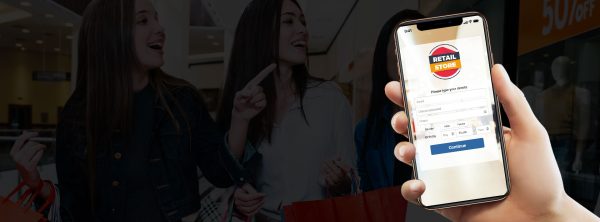
An ad before access, and a coupon that gets redeemed at the till
A short video or a still runs before the network opens up, with a minimum watch time you set and a skip after that. The code that appears is single-use and tied to the till, so redemption is countable rather than estimated. Brands in the store will pay for that slot, and the reporting pack they get back — impressions, completion rate, click-through, redemptions — is generated as a PDF without anyone assembling it.
Three more for a shop floor
Footfall by hour, dwell time by area, and how many of today’s shoppers were here last month.
A campaign to everyone who connected in November, sent with consent you can evidence.
Ask about the thing they could not find, on the way out rather than a week later.
Which hardware path
Access points and a router, shipped configured.
One MikroTik goes in front of what you run today.
Dual-SIM routers for vehicles.
Chains usually have an estate and a head-office standard, so the MikroTik goes in front and the standard stays intact.
What it costs across a shop
Four access points cover a typical mall store with a stockroom. Multi-site groups are billed per site, and every site can run its own ads and its own splash.
A site pays no more than R1,500 a month, whatever the access point count.
"Our customers will not sit through an ad."
Most do not have to — set the skip at five seconds and the majority still watch to the end, because the alternative is not being online. What matters is that you see the actual numbers rather than guessing: how many started, how many finished, how many tapped through, how many redeemed at the till. If a slot underperforms, change the creative that afternoon.
Tell us how many sites and we will price the group.